Choosing the Right Flooring for Your Home
The Foundation of Your Interior Design
Flooring is one of the most important decisions you'll make when building or renovating your home. It affects everything from aesthetics and comfort to maintenance and long-term value. With so many options available, choosing the right flooring can feel overwhelming. Let's break down the most popular choices to help you make an informed decision.
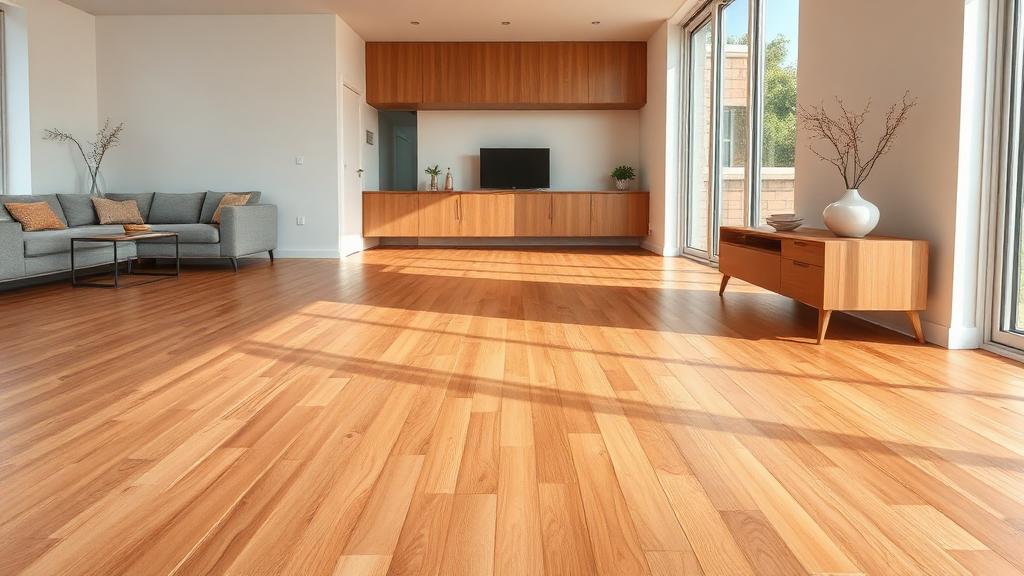
Hardwood Flooring
Pros
- Timeless beauty that never goes out of style
- Increases home value and appeals to buyers
- Durable and can last for generations with proper care
- Can be refinished multiple times to restore appearance
- Variety of species, stains, and finishes available
Cons
- Higher upfront cost compared to many alternatives
- Susceptible to moisture damage and humidity changes
- Can scratch and dent from pets, furniture, and high heels
- Requires regular maintenance including periodic refinishing
- Not recommended for basements or bathrooms
Best For
Living rooms, dining rooms, bedrooms, and hallways in moderate climates.
Luxury Vinyl Plank (LVP)
Pros
- Waterproof and resistant to moisture damage
- Realistic wood and stone looks at a fraction of the cost
- Easy installation with click-lock systems
- Comfortable underfoot with warmer feel than tile
- Low maintenance and easy to clean
- Durable and scratch-resistant
Cons
- Cannot be refinished like hardwood
- May not add as much value as real hardwood
- Quality varies significantly between products
- Can be damaged by sharp objects or heavy impacts
Best For
Kitchens, bathrooms, basements, laundry rooms, and high-traffic areas.
Tile Flooring
Pros
- Extremely durable and long-lasting
- Waterproof and stain-resistant
- Huge variety of styles, colors, and patterns
- Low maintenance and easy to clean
- Works with radiant heating systems
- Cool underfoot (great for hot climates)
Cons
- Cold and hard underfoot (uncomfortable in cold climates)
- Grout requires sealing and regular cleaning
- Installation is labor-intensive and requires skill
- Can crack if heavy objects are dropped
- Slippery when wet (unless textured)
Best For
Bathrooms, kitchens, entryways, mudrooms, and outdoor spaces.
Carpet
Pros
- Soft and comfortable underfoot
- Warm and insulating (reduces heating costs)
- Excellent sound absorption for multi-story homes
- Wide variety of colors and textures available
- Generally affordable compared to hard surfaces
- Safer for falls (especially important with children)
Cons
- Traps allergens including dust and pet dander
- Stains and shows wear in high-traffic areas
- Shorter lifespan than hard flooring options
- Requires regular vacuuming and periodic deep cleaning
- Not suitable for wet areas
Best For
Bedrooms, family rooms, stairs, and playrooms.
Epoxy Flooring
Pros
- Extremely durable and resistant to impacts
- Seamless surface with no grout lines or seams
- Chemical and stain resistant
- Easy to clean and maintain
- Customizable with colors, patterns, and flakes
- Long-lasting with proper installation
Cons
- Slippery when wet unless anti-slip additives are used
- Professional installation required for best results
- Cold and hard underfoot
- Can yellow with UV exposure (unless UV-resistant)
- Preparation is crucial for proper adhesion
Best For
Garages, basements, workshops, commercial spaces, and industrial areas.
Factors to Consider
Traffic Level
High-traffic areas need durable, scratch-resistant flooring. Consider LVP, tile, or commercial-grade carpet for these spaces.
Moisture Exposure
Bathrooms, kitchens, and basements need waterproof or water-resistant options like tile, LVP, or properly sealed concrete.
Comfort
If you stand for long periods (cooking, working), consider softer options like carpet, LVP, or adding anti-fatigue mats to hard surfaces.
Maintenance
Be honest about how much effort you're willing to put into maintenance. Hardwood and carpet require more care than tile or LVP.
Budget
Consider both upfront costs and long-term value. Sometimes paying more initially saves money over time through reduced maintenance and longer lifespan.
Pets
Scratch-resistant, waterproof options like LVP and tile are best for homes with pets. Avoid high-gloss hardwood and light-colored carpet.
Making Your Decision
There's no one-size-fits-all answer to flooring. The best choice depends on your specific needs, lifestyle, and budget. At Triple Check Construction, we can help you evaluate your options and make the best decision for each room in your home.
Whether you're building new, renovating, or just updating a single room, we offer expert installation for all flooring types. Contact us today for a free consultation and estimate.
Need Professional Help?
Our experienced team is ready to assist with your construction project. Contact us today for a free consultation.
Get a Free QuoteRelated Articles
Concrete Grinding and Polishing: The Ultimate Durable Floor Solution
Discover how professional concrete grinding and polishing with lithium silicate densifiers creates floors that last a lifetime with minimal maintenance.
Solid Hardwood vs Laminate vs LVP: Which Flooring Is Right for You?
A complete comparison of solid hardwood, laminate, and luxury vinyl plank flooring with pros and cons to help you choose the best option for your home.