ICF Construction: The Future of Energy-Efficient Building
What is ICF Construction?
Insulated Concrete Forms (ICF) represent one of the most significant advances in residential and commercial construction in decades. This innovative building method combines the strength of reinforced concrete with the energy efficiency of integrated insulation, creating structures that outperform traditional construction in virtually every measurable way.
How ICF Works
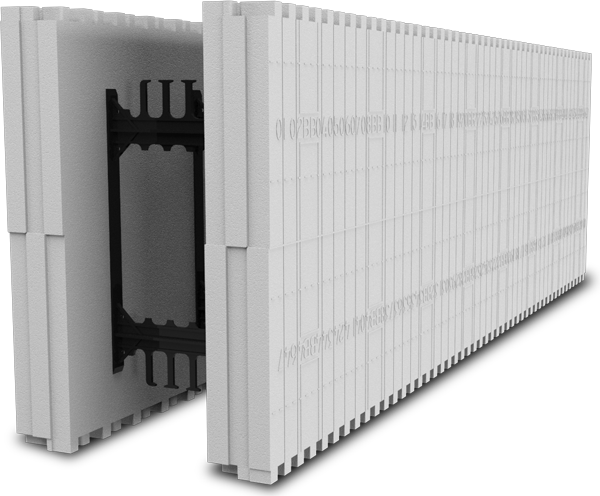
ICF construction uses interlocking modular units made of expanded polystyrene (EPS) foam. These hollow blocks stack together like oversized LEGO pieces, creating a formwork for poured concrete. Once the concrete cures, the foam stays in place, providing continuous insulation on both the interior and exterior of the wall.
The result is a solid concrete wall sandwiched between two layers of insulation—typically providing R-values of R-23 to R-40, compared to R-13 to R-19 for conventional framed walls.
Energy Efficiency Benefits
Dramatic Energy Savings
ICF homes typically use 50-70% less energy for heating and cooling compared to traditional stick-built homes. This translates to substantial savings on utility bills—often $1,000-$2,000 per year for an average-sized home.
Thermal Mass Advantage
The concrete core of ICF walls provides thermal mass that helps regulate indoor temperatures. This mass absorbs excess heat during the day and releases it slowly at night, reducing temperature swings and HVAC cycling.
Minimal Air Infiltration
ICF walls are essentially airtight. While traditional frame construction can have significant air leakage around outlets, windows, and framing members, ICF construction virtually eliminates these pathways for conditioned air to escape.
Structural Superiority
Wind and Storm Resistance
ICF structures can withstand winds of up to 250 mph—well above Category 5 hurricane intensity. The solid concrete walls are also resistant to flying debris, making ICF an excellent choice for areas prone to severe weather.
Fire Resistance
Concrete doesn't burn. ICF walls achieve 4-hour fire ratings, providing exceptional protection for your family and belongings. Insurance companies often offer significant discounts for ICF construction.
Earthquake Resistance
The reinforced concrete construction of ICF buildings provides excellent seismic performance. The continuous wall structure distributes forces effectively, reducing the risk of structural failure during earthquakes.
Sound Reduction
ICF walls provide exceptional sound insulation, typically achieving STC (Sound Transmission Class) ratings of 50 or higher—compared to STC 35-38 for standard frame construction. This means a quieter, more peaceful living environment.
Durability and Longevity
ICF structures are built to last. The concrete walls don't rot, rust, or deteriorate like wood framing. They're impervious to termites and other wood-destroying insects. With proper maintenance, an ICF home can easily last for centuries.
Environmental Benefits
- Reduced energy consumption means lower carbon emissions
- Long lifespan reduces the environmental impact of replacement construction
- Sustainable materials including recycled content in EPS foam
- Improved indoor air quality due to reduced air infiltration and mold resistance
Cost Considerations
While ICF construction typically costs 5-10% more than traditional framing, the long-term savings often outweigh the initial investment:
- Lower utility bills (50-70% reduction)
- Reduced insurance premiums (often 10-25% lower)
- Lower maintenance costs (no rot, termite damage, or deterioration)
- Higher resale value (energy efficiency is increasingly valued by buyers)
- Potential tax credits and incentives for energy-efficient construction
Is ICF Right for Your Project?
ICF construction is ideal for:
- New home construction
- Additions and renovations
- Commercial buildings
- Basements and foundations
- Areas with extreme weather, high energy costs, or noise concerns
At Triple Check Construction, we've built numerous ICF projects throughout North Carolina. Our experienced team can help you determine if ICF is the right choice for your specific needs and budget.
Contact us today to learn more about how ICF construction can provide you with a more comfortable, efficient, and durable home.
Need Professional Help?
Our experienced team is ready to assist with your construction project. Contact us today for a free consultation.
Get a Free QuoteRelated Articles
Custom Home Build Cost per Square Foot in Northeast Kansas (2026)
We track every line item on every custom build. Here are the real per-square-foot numbers for Atchison County in 2026 — by quality tier, and what drives the spread.
Pole Barn vs. Stick-Built Shop in Atchison, KS: Cost, Lifespan, Resale
A 30x40 pole barn runs $35K. A stick-built shop the same size runs $65K. Here's exactly what the extra $30K buys you — and when it's worth it.