Kitchen Electrical: Why Going Beyond Code Matters
Before You Start Your Kitchen Electrical Project
Planning a kitchen remodel or new construction? Before work begins, have a detailed conversation with your contractor about your electrical layout. The decisions made during this phase will directly impact how your kitchen functions for years to come—especially when it comes to countertop circuits.
Understanding Code vs. Best Practice
Current electrical codes establish minimum safety requirements for residential kitchens. These standards provide a baseline, but they were developed with general use cases in mind. The reality of how modern families use their kitchens often demands more than the minimum.
Think about how you actually use your countertops. Coffee makers, toasters, air fryers, instant pots, stand mixers, warming plates—these appliances draw significant power, and they tend to be used simultaneously in the same areas of your kitchen. When multiple high-draw appliances share circuits, breakers trip at the most inconvenient times.
Our Approach to Kitchen Countertop Circuits
At Triple Check Construction, we've refined our approach to kitchen electrical based on years of experience and customer feedback. Our methodology ensures your kitchen can handle real-world usage without frustration.
Dedicated Circuits for Every Outlet
For any countertop area measuring six linear feet or longer, we install a minimum of two receptacles. Here's the key difference in our approach: each outlet receives its own dedicated home run circuit back to the panel.
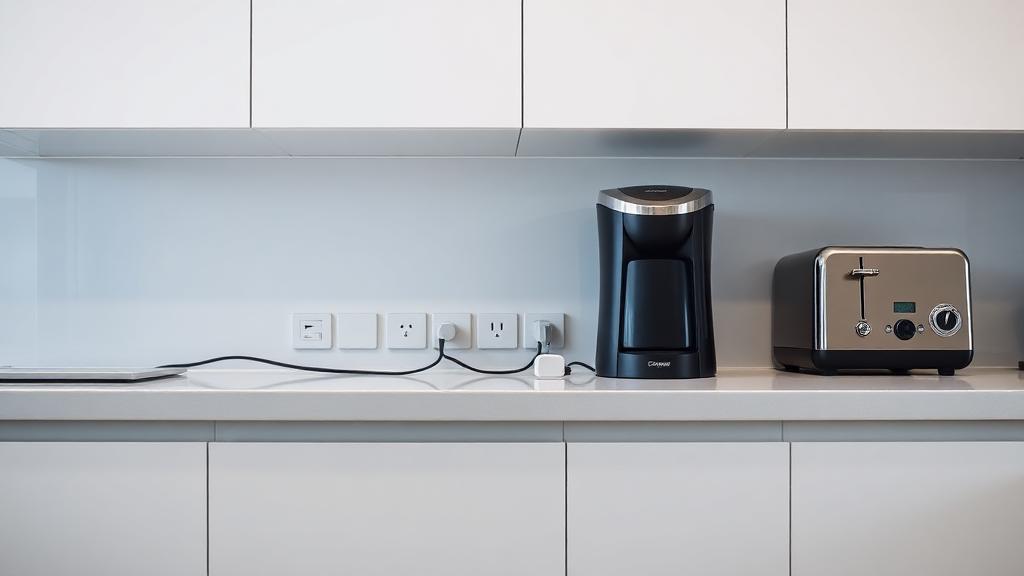
This means no two adjacent outlets share the same circuit. When you're running your coffee maker on one outlet and your toaster on the next, each appliance has its own independent circuit path.
Why This Matters
Consider a typical morning: You're brewing coffee while toasting bread and perhaps heating something in the microwave. These activities tend to happen in the same general area of your kitchen—often right where you've placed your most convenient outlets.
When outlets share circuits, you're essentially asking one circuit to power multiple high-draw appliances simultaneously. The result? Tripped breakers, interrupted cooking, and the inconvenience of resetting everything mid-meal preparation.
By providing each outlet with its own home run circuit, we eliminate this problem entirely. Your appliances can operate simultaneously without competing for electrical capacity.
Questions to Ask Your Contractor
Before beginning any kitchen electrical work, discuss the following with your contractor:
- How many circuits will serve the countertop areas? The answer should exceed the minimum code requirement.
- Will adjacent outlets share circuits? Ideally, they should not.
- What amperage will each circuit provide? Standard is 20 amps for kitchen countertop circuits.
- How are circuits distributed across the kitchen? Logical distribution prevents overloading any single area.
The Value of Forward-Thinking Design
Investing in additional circuits during initial construction or renovation costs far less than retrofitting later. The labor to run wire and install circuits while walls are open is minimal compared to accessing finished spaces.
More importantly, a properly designed electrical system enhances your daily experience in the kitchen. No more strategic planning around which appliances can run together. No more trips to the breaker panel during holiday meal preparation.
Working With Experienced Professionals
Electrical work requires both technical expertise and practical understanding of how spaces are actually used. When evaluating contractors for your kitchen project, ask about their approach to circuit design. Those who recommend exceeding minimum requirements demonstrate an understanding of real-world functionality.
At Triple Check Construction, we combine code compliance with practical experience to deliver kitchens that work the way you need them to. Contact us to discuss your kitchen electrical needs and learn how proper circuit design can enhance your daily routine.
Need Professional Help?
Our experienced team is ready to assist with your construction project. Contact us today for a free consultation.
Get a Free QuoteRelated Articles
One Device That Could Save You Thousands in Fried Electronics
Your expensive appliances, smart home devices, and electronics are at risk every single day. Discover the affordable solution that protects your entire home from destructive power surges.
200-Amp Panel Upgrades in Older Atchison Homes: When It's Worth It
Most pre-1985 homes in Atchison, Leavenworth, and Holton still run 100-amp service. Here's exactly when upgrading to 200 amps pays off — and when it's overkill.